
Building Multi-Sport Chains: Linking Football Goal Scorer Props, Horse Racing Place Terms, Tennis Set Betting, and Basketball Quarter Totals in November 2026 Markets Through Bookmaker Comparisons
November 2026 brings overlapping schedules across football leagues, horse racing winter circuits, tennis indoor tournaments, and basketball early season fixtures, which creates opportunities for multi-sport accumulator construction when bettors compare lines from various operators. Observers note that goal scorer props in premier league and European matches often move independently from place terms on all-weather horse racing tracks, while tennis set betting markets and basketball quarter totals provide additional layers for chain building.
Tracking Divergent Lines Across Sports
Bookmaker platforms display varying margins on football goal scorer props during midweek fixtures, whereas horse racing place terms shift based on field sizes and track conditions in national hunt events. Data from industry reports show that tennis set betting odds respond quickly to player form updates in ATP and WTA indoor events, and basketball quarter totals reflect roster changes in NBA and European league games. Those who compare these markets across operators frequently identify discrepancies that support accumulator combinations rather than single-sport bets.
Live odds updates during November allow bettors to monitor swings in real time, especially when football matches overlap with horse racing afternoon cards and tennis evening sessions. Researchers at academic institutions have documented how such timing alignments influence line movements, while regulatory filings from bodies like the Nevada Gaming Control Board reveal patterns in cross-market activity during late-year periods.
Accumulator Construction Methods
Accumulators gain structure when bettors pair a football goal scorer prop with a horse racing place term, then add a tennis set bet and a basketball quarter total. Operators provide welcome bonuses and free bet credits that apply across these categories, which reduces the effective stake required for longer chains. Comparisons indicate that some platforms adjust margins differently on each sport, creating windows where combined odds exceed those available from a single source.
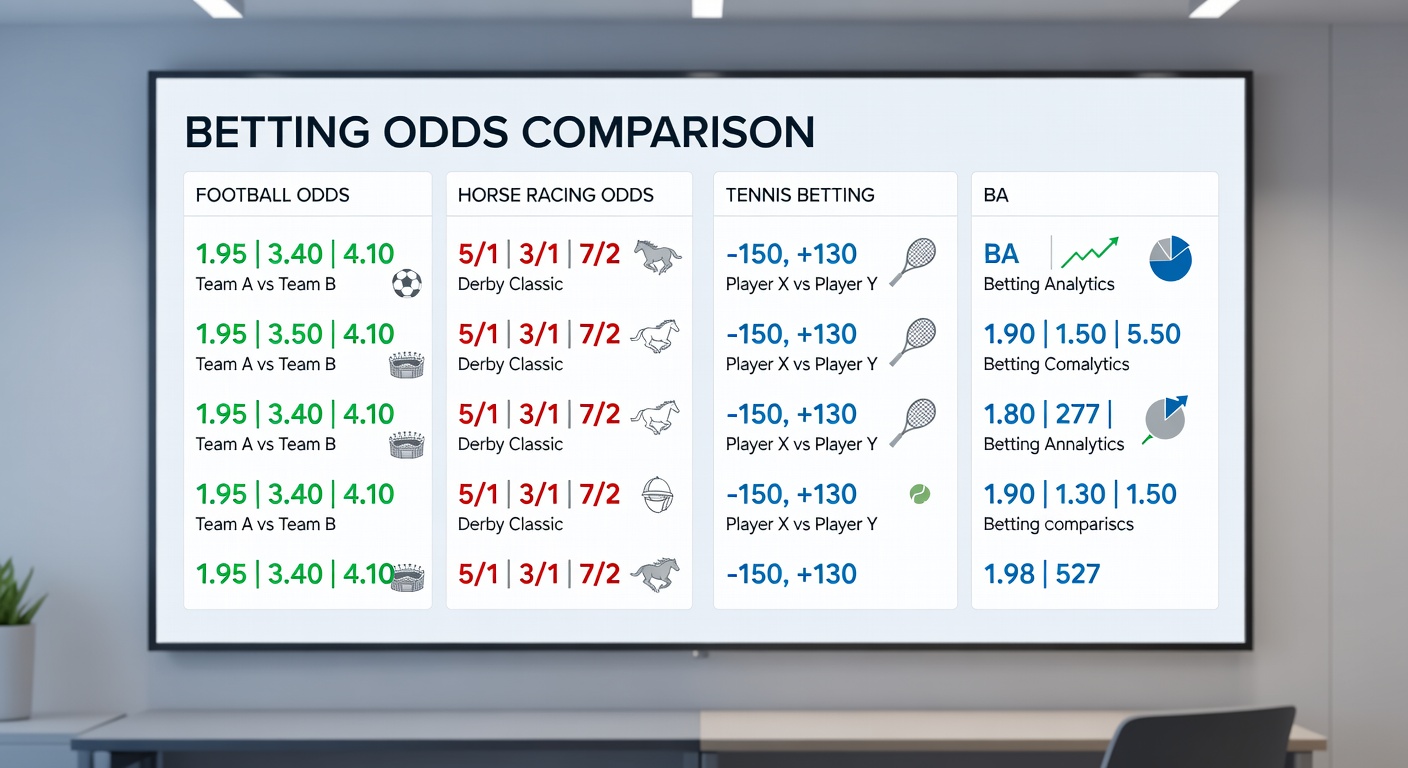
Live odds tools refresh frequently during November overlaps, allowing adjustments to accumulator legs as events progress. One study released by the University of Sydney examined how bettors use such tools to optimize free bet redemptions across multiple sports, and figures from the American Gaming Association highlight increased activity in multi-market products during seasonal transitions. Those comparisons extend to welcome bonus terms, where wagering requirements sometimes treat football, horse racing, tennis, and basketball selections with equal weighting.
Bonus Integration and Market Timing
Welcome bonuses often convert into accumulator value when applied to mixed selections rather than single-sport bets. November schedules include international football windows that coincide with horse racing all-weather meetings, tennis indoor opens, and basketball conference play, which stretches the window for line shopping. Comparisons across operators show that free bet promotions tied to accumulator tips can offset margin differences, particularly when live odds move after initial selections lock in.
Platform interfaces display accumulator builders that accept legs from each sport, and operators update these tools to reflect current pricing on goal props, place terms, set markets, and quarter totals. External data sources confirm that bettors who review multiple sites before finalizing chains encounter more favorable combined prices than those who remain with one bookmaker.
Conclusion
November 2026 markets demonstrate how football goal scorer props, horse racing place terms, tennis set betting, and basketball quarter totals combine into accumulator structures when bettors perform bookmaker comparisons. Live odds, free bets, and welcome bonuses integrate directly into these chains, and data from regulatory and academic sources support continued monitoring of cross-sport line variations throughout the period.